

No products in the cart.
 About us
 Product
 Tracking
 Feedback
 Contact us
Hair Care Guide
The Ultimate to Damp Hair: Care, Risks, and Best Practices
When you know your hair is damp or wet will you know how to choose the suitable shampoo, or conditioner that suits you. And if your hair damp too often you must change your hair care routine immediately. Sometimes, damp hair is useful when you go bleach or with certain styling techniques.
Like braiding or blow-drying, work best when hair is damp, helping achieve smoother, longer-lasting results. Many of you may have this damp hair problem, but some doesn’t know it is wet or damp. So dive in with us all information about damp hair.
What Is Damp Hair?
So damp hair is the hair that is not soaking wet, but not completely dry either. It still retains moisture but doesn’t drip water. Imagine towel-dried hair that feels cool and slightly moist to the touch.
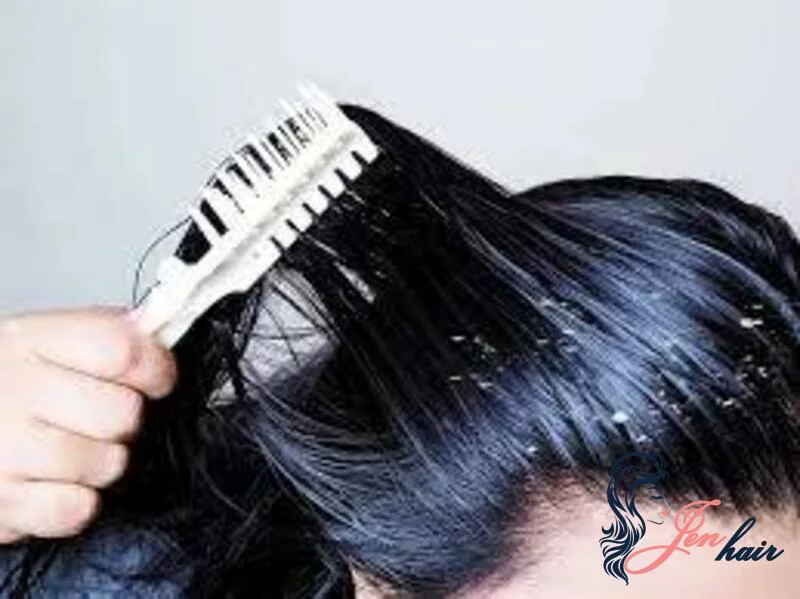
What is the difference between damp and dry hair? So the hair if you touch it and feels slightly wet. When it is cool and pliable. It looks like you apply your hair with oil. But on the opposite side, dry hair feels normal to touch, it lacks moisture so it may appear frizzy and rough.
What Are The Most Common Mistakes When Handling Damp Hair?
Handling damp hair incorrectly can lead to breakage, frizz, and damage. Understanding the common mistakes helps you protect your hair and maintain its health and smoothness. Some people when they have damp hair too often, we see them handle it incorrectly. So here are some common mistakes:
Brushing or combing aggressively
When you have damp hair once you know it is so annoying and you will comb it aggressively. But hair damp is extra sensitive because it temporarily weakens the bonds in your hair’s protein structure. So if you brush it aggressively, it can tug, pull or stretch your delicate strands. Let’s dive into the most common mistakes and discover when you got damp hair.
Using heat styling tools on damp hair
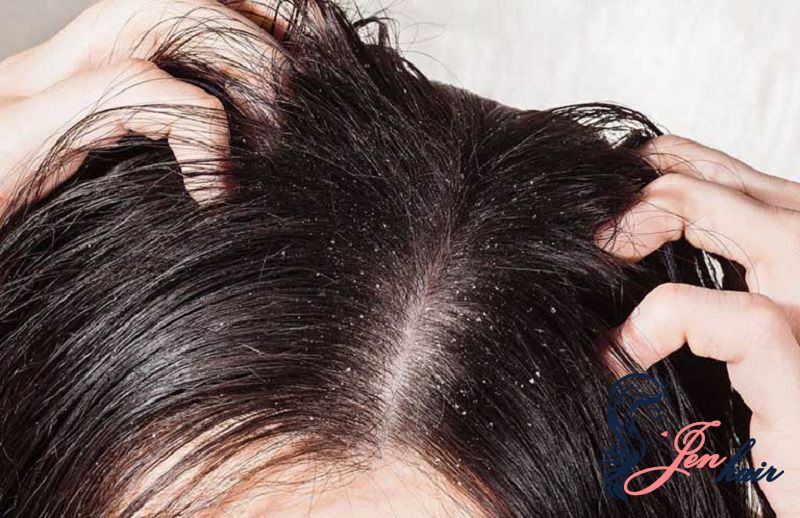
Applying heat to damp hair can cause serious damage, including breakage and split ends. Always ensure your hair is completely dry or use a heat protectant if you must style immediately. And opt for lower heat settings to minimize stress on the strands. We told you that damp hair can reduce heat exposure. But a too hot dryer can easily “cook” your hair strands inside out, creating damage in the long term.
Tying damp hair tightly
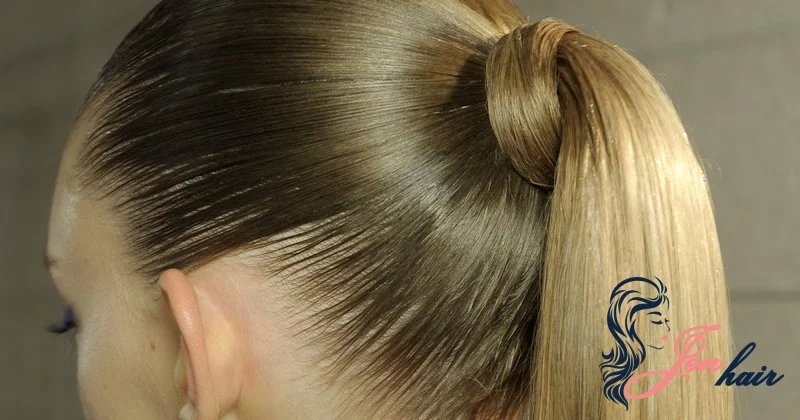
So the best solution when you have damp hair is to tighten it up, but if you do it too tight in a bun or ponytail when you rush. Your hair can have maximum elasticity. It means tight hairstyles can cause severe stretching and breakage around the hairline. At the same time damage your hair scalp. Tight hairstyles can cause severe stretching and breakage around the hairline.
Sleeping with damp hair and its effects
Too lazy, so you think it okey when sleeping with damp hair but you don’t know how harmful it is. When your hair is damp, that means the scalp creates a breeding ground for bacteria and fungus, and it absorbs all dirt from the environment.
How to Deal with Damp Hair?
Proper care for damp hair is key to preventing damage and maintaining healthy, smooth strands. Simple techniques and the right products can make styling easier and protect your hair from breakage. Here I got 2 solution you can try when have this annoying problem, we give you 2 simple way to deal with it
The right way to detangle damp hair:
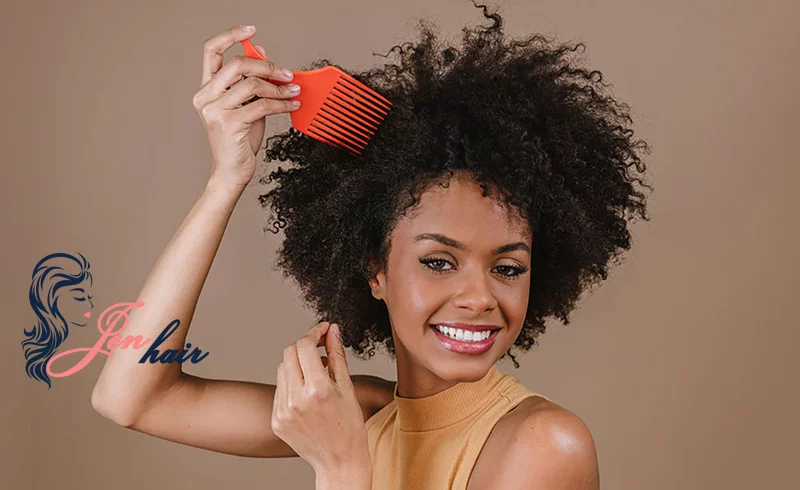
- Be Gentle When Brushing or Combing: Use a wide-tooth comb or a brush with soft structure for wet hair to gently detangle your tresses. Start from the ends and work your way up to the roots.
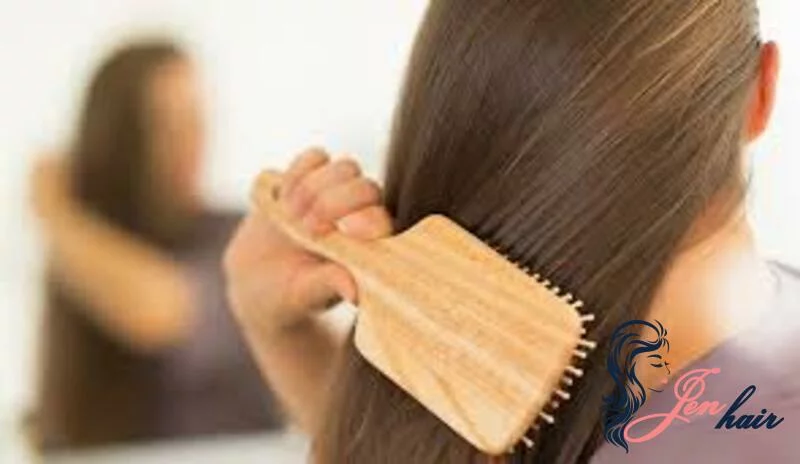
- Avoid Heat Styling on Damp Hair: Remember that before reaching for that curling iron or straightener, ensure your hair is completely dry. If you must blow-dry, use a heat protectant spray and set your dryer to a low or medium heat setting.
- Resist Tying Up Damp Hair: You let your hair dry before styling into ponytails or buns. By tying up wet hair can lead to breakage and weaken the roots
- Protect Your Hair from Chlorine: This reminds you that summer has come, so before taking a dip in the pool, wet your hair with clean water to reduce chlorine absorption. And after swimming you must rinse your hair with shampoo to remove chlorine residue.
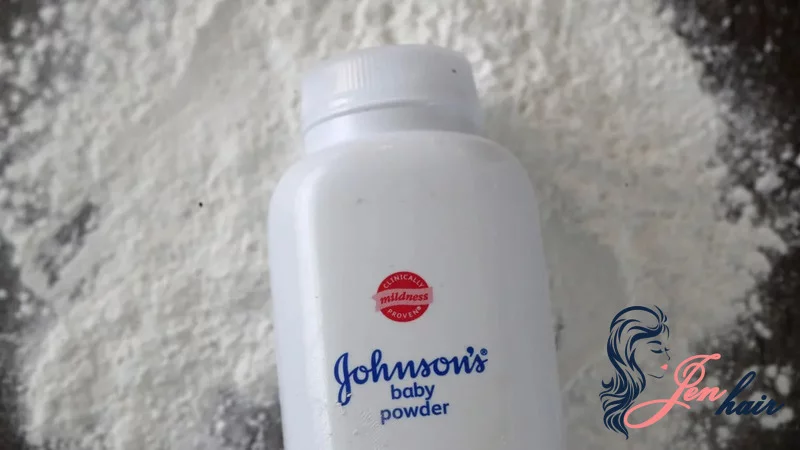
- Instant Hack by using Baby Power: Sometimes at special occasions, we need a quick fix, baby powder can indeed come to the rescue as a makeshift dry shampoo. But don’t overuse it just occasionally.
Conclusion
In conclusion, handling damp hair with care is essential to maintain its health and vitality. Avoid common mistakes such as aggressive brushing, using heat styling tools on wet hair, or sleeping with it damp. But if in some cases, you need solutions like baby powder, in the long term it is not good for your scalp, so you can choose the easy way like hair extensions.
Find somewhere with high quality you must visit Jenhair, at Jen Hair Vietnam. We understand the importance of quality hair care.We provide only the finest Vietnam virgin hair, bundles, weaves, and lace wigs on the market.
If you’re looking to boost your hairstyle when damp hair happens, our premium Vietnamese hair extensions are an excellent choice. Specifically, frontal extension can seamlessly blend with your natural hair, offering an immediate solution to achieve the look you desire.
FAQs
How long should hair stay damp?
Hair should air dry within 30 minutes to 2 hours, but if your hair is damp, it can last 2-10 hours unless you clean it with shampoo.
Is it okay to sleep with damp hair?
No, it is not good, sleeping with damp hair can cause breakage, frizz, and even scalp issues. If needed, use a silk pillowcase and loosely braid your hair.
Is wet hair the same as damp?
No, wet hair is soaked, while damp hair is partially dry with minimal moisture left. Damp hair is easier to style without damage.
How to style hair when it’s damp?
Apply leave-in conditioner or mousse, then braid, twist, or scrunch for natural waves. Avoid tight styles to prevent breakage.

 Everything You Need To Know About Bundle Weave Hair
 Ponytail With Braids On The Side: Ways To Show Your Personality
 Guide Cornrows With Side Part The Best For Beginner